
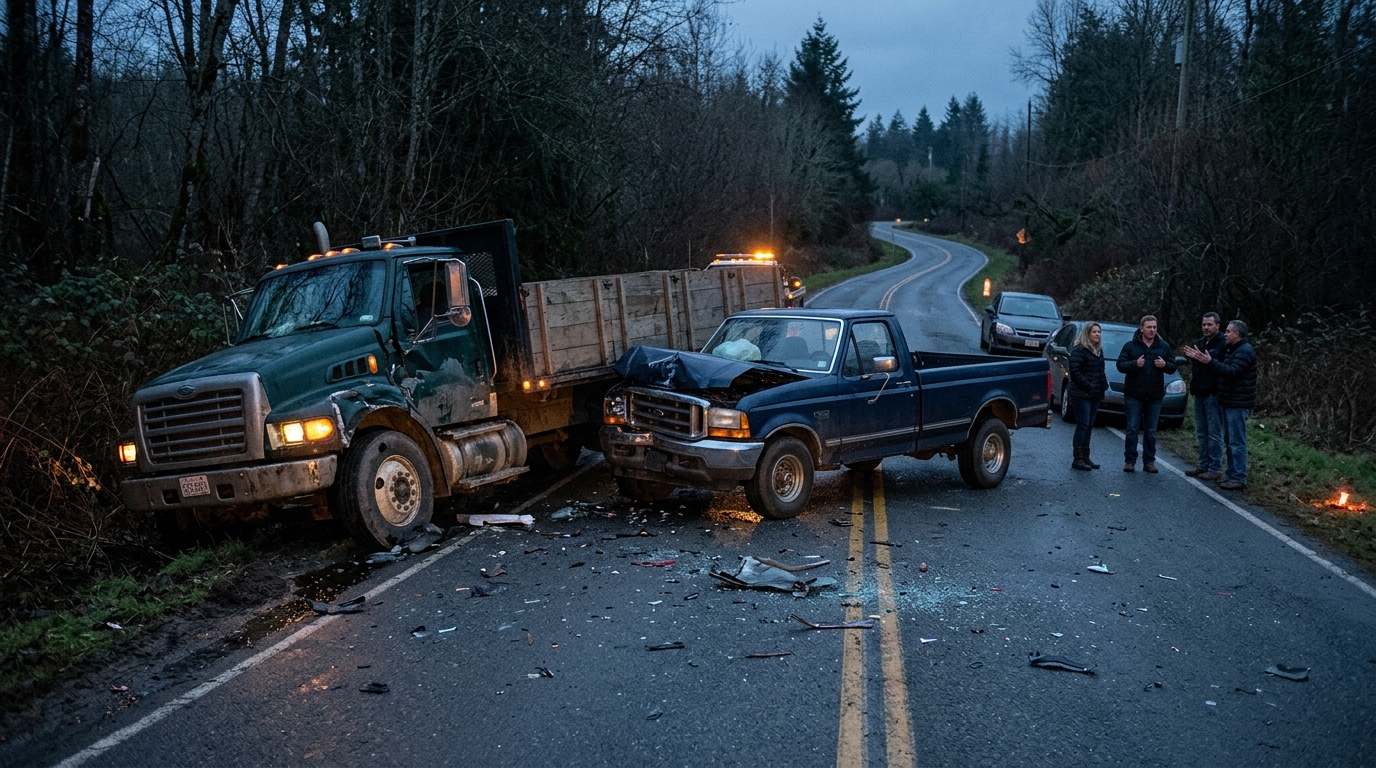
Most states reduce your compensation by your share of fault. Virginia doesn’t reduce it — it can erase it. Understanding this rule is the single most important thing an accident victim in Virginia Beach can do to protect a claim.
The harshest fault rule in America
Virginia is one of only a handful of jurisdictions still applying pure contributory negligence: if you are found even 1% responsible for the accident, you can be barred from recovering anything at all. Not reduced. Barred.
How insurers weaponize it
Adjusters know the rule better than victims do. A sympathetic phone call becomes a recorded statement; a polite “I didn’t see him until late” becomes evidence you weren’t keeping a proper lookout. Speed “a little over the limit,” a rolling stop, a missed turn signal — any thread is pulled to hang 1% of the blame on you.
The exceptions that can save a claim
- Last clear chance. If the other driver had the final opportunity to avoid the crash and failed, your slight negligence may not bar recovery.
- Willful or wanton conduct. Contributory negligence is not a defense to reckless or intentional misconduct — think DUI drivers.
- No actual causation. Your mistake must have contributed to the crash. A burned-out taillight at noon didn’t cause a rear-end collision.
Protecting yourself starts at the scene
- Never apologize, speculate, or accept blame — to anyone.
- Get the police report, photos, and witness contacts; evidence beats recollection.
- Decline recorded statements until you’ve spoken with counsel.
- Involve an attorney early — fault battles are won in the first weeks, not at trial.
Don’t hand them their 1%
If fault is disputed — or could be — your claim needs a lawyer who tries these cases. The consultation is free, and on injury cases you pay nothing unless we win.